Assignment Tracker: A Practical Design Asset for KDP Publishers
In the world of self-publishing and digital product creation, the gap between a good idea and a market-ready product often comes down to the tools you use. For creators working with Amazon KDP or similar print-on-demand services, the Assignment Tracker isn't a typeface you install, but a crucial piece of your design asset library. It’s a set of ready-to-upload interior files, meticulously prepared to save you hours of formatting and technical troubleshooting. Think of it as the professional foundation upon which you build your published planner or journal.
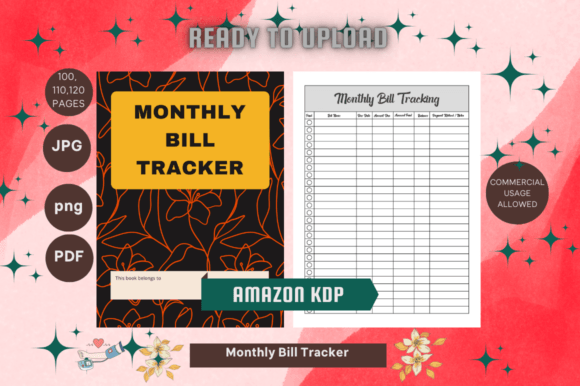
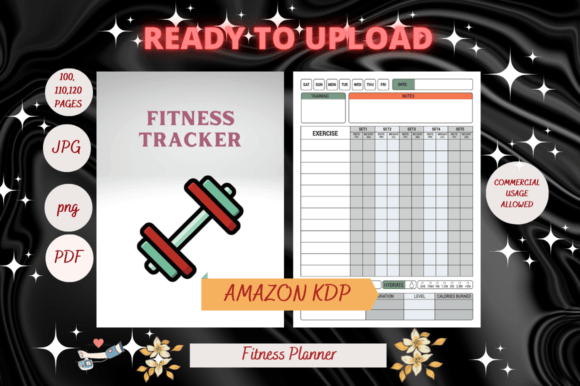
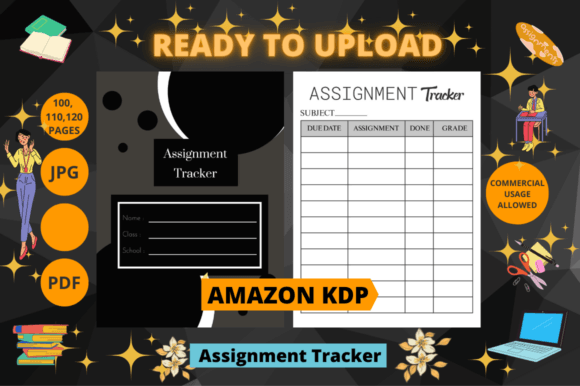
This collection provides six distinct books, each formatted in the standard US Letter size (8.5" x 11"). You receive files with 100, 110, and 120 pages, giving you flexibility in product offering and pricing. The key feature here is that every PDF is tested for KDP's specifications, including the critical "no bleed" requirement. This means your text and design elements won't get accidentally cut off during the printing process. For a designer or entrepreneur, this level of pre-vetted reliability is invaluable. It transforms the interior design phase from a technical hurdle into a straightforward creative process.
Where This Design Asset Fits Into Your Creative Workflow
The true strength of the Assignment Tracker lies in its versatility. It’s not just for students. Consider its applications for the diverse needs of your audience:
- For the Entrepreneur & Small Business Owner: Use it as a project tracker, client onboarding planner, or quarterly goal-setting journal. The clean, structured pages provide a professional framework for managing tasks and milestones.
- For the Content Creator & Blogger: Repurpose it as an editorial calendar, content brainstorming notebook, or social media campaign planner. The ample page count supports long-term planning for blogs, YouTube channels, or podcast series.
- For the Designer & Crafter: It can serve as a design project log, client feedback tracker, or inventory list for handmade goods. The consistent layout ensures all your notes and references stay organized.
- For Personal Use & Hobbyists: Beyond professional applications, it’s an excellent fitness tracker, meal planner, reading log, or home renovation project manager. The practical format adapts to any personal goal.
By starting with this pre-formatted interior, you can focus entirely on what makes your product unique: the cover design, your specific prompts or instructions, and your brand's visual identity. You’re not building from scratch; you’re customizing a proven template.
Integrating This Asset with Your Brand Identity
While the interior pages are standardized for functionality, they act as a neutral canvas. This is where your skills as a designer or brand strategist come into play. The professionalism of the layout—its clear margins, consistent spacing, and logical flow—immediately elevates the perceived value of your final product. A well-organized interior signals to customers that the entire book, from cover to last page, has been crafted with care.
To build a cohesive brand identity, pair this functional interior with a premium font or creative font on your cover and introduction pages. For example:
- A bold, modern sans serif font for the title conveys clarity and efficiency.
- An elegant serif font for subtitles can add a touch of tradition and authority.
- A subtle handwritten font or script font used sparingly can inject personality and approachability.
Experiment with font pairing on your cover to create visual hierarchy. The structured interior allows your cover's typography to be the star, ensuring a balanced final product. This approach is fundamental in editorial design and packaging design, where the container's exterior must promise the quality found inside.
Practical Guidance for Using Your Assignment Tracker Files
Getting the most out of this asset requires a few practical considerations. First, evaluate the page count. A 100-page book is ideal for a focused, single-purpose tracker, like a 90-day challenge. The 120-page version suits a more comprehensive annual planner or a multi-project log. Offering all three variations allows you to market to different customer needs and price points on platforms like Amazon KDP.
Next, consider your font pairing and readability for any custom text you add. The interior is designed for functionality, so any introductory pages you create should use highly readable typefaces. Avoid overly decorative fonts for body text. Stick to clean sans serif or serif typefaces for instructions or descriptions to maintain the professional tone established by the tracker pages.
Remember, these files are a commercial font asset in the sense that they are a design asset you can use to create products for sale. You are purchasing the right to use these specific formatted pages as part of your finished, publishable book. This is a standard practice in the world of digital assets and modern typography resources for creators.
Finally, think beyond the book itself. The structured nature of an Assignment Tracker interior makes it excellent content for social media graphics. Share snippets of filled-in pages (with mock data) to showcase its utility. Use it in web design mockups for a stationery brand's website. The applications extend far beyond the printed page, becoming a versatile piece of your overall marketing and brand identity toolkit. By leveraging this ready-made foundation, you streamline your production process, ensure technical compliance, and free up creative energy to build a truly distinctive product line.