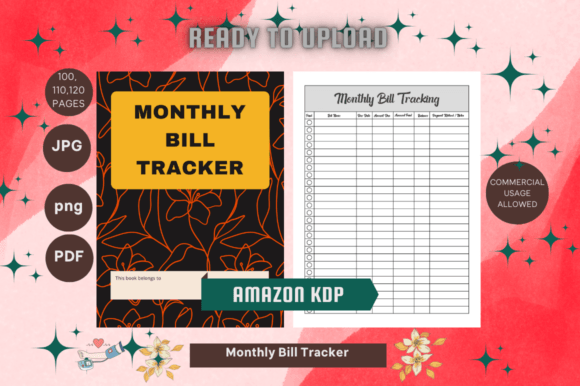
Master Your Finances with the Ultimate Monthly Bill Tracker
In the daily hustle of managing a small business or handling personal creative projects, financial organization often falls to the bottom of the list. We tend to focus on design assets, marketing strategies, and content creation, but without a solid handle on cash flow, even the most creative ventures can struggle. This is where the power of tangible organization comes into play. A Monthly Bill Tracker is not just a spreadsheet or a digital file; when used effectively, it becomes a cornerstone of financial stability. For those of us who appreciate the tactile nature of design and the reliability of print, having a physical tool to manage expenses is invaluable. It bridges the gap between digital accounting software and the reality of writing down what you owe, offering a clear, distraction-free view of your financial obligations.
The Anatomy of a Professional Financial Planner
When we talk about design standards in publishing, specifically for tools meant to be printed and used daily, dimensions and build quality matter immensely. The Monthly Bill Tracker we are discussing here adheres to the industry-standard 8.5″ x 11″ format. This is not an arbitrary choice; this size ensures that the tracker fits perfectly into standard binders, folders, and filing cabinets without the need for trimming or resizing. It provides ample space for writing detailed notes, check amounts, and due dates without the cramped feeling often associated with A5 planners.
Furthermore, the versatility of this asset is key. It is available in PDF, PPT, PNG, and JPG formats. Why does this matter to a publisher or a small business owner? The PDF format is essential for direct printing, ensuring that the layout remains pixel-perfect and high-quality. The inclusion of PPT, PNG, and JPG formats opens the door for customization. A content creator can take a specific page layout, import it into their design software, and incorporate it into a larger brand identity system or a digital product they are selling. It is designed with "No Bleed" settings, which is a critical technical detail. This means the ink goes right to the edge of the paper during the printing process without messy white borders, giving the final product a professional, store-bought appearance. Whether you choose the 100, 110, or 120-page version, you are getting a robust document ready for heavy use.
Strategic Applications for Entrepreneurs and Creatives
For the entrepreneur, a Monthly Bill Tracker serves as a psychological anchor. In a world of fleeting digital notifications, writing down a bill creates a moment of mindfulness. It forces you to acknowledge the expense, check the due date, and verify the amount. This practice is vital for freelancers who deal with variable income. By tracking fixed monthly costs against variable earnings, you can better predict your cash flow gaps and prepare for lean months.
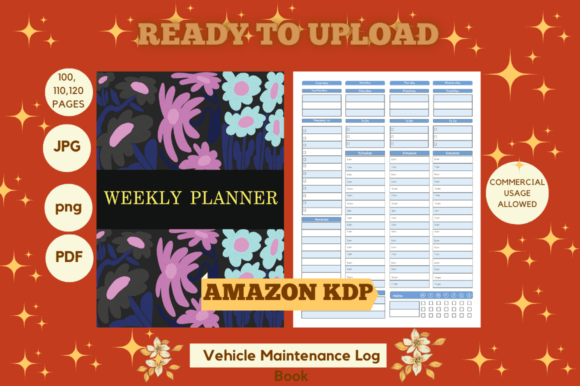
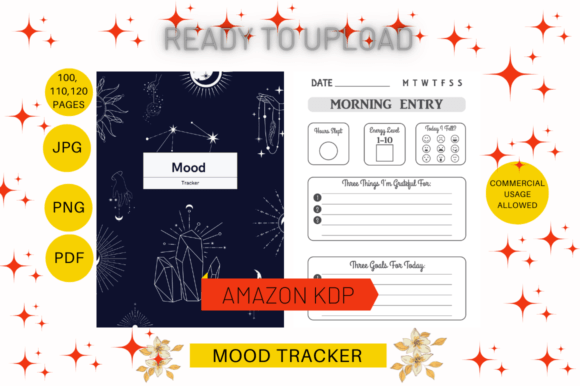
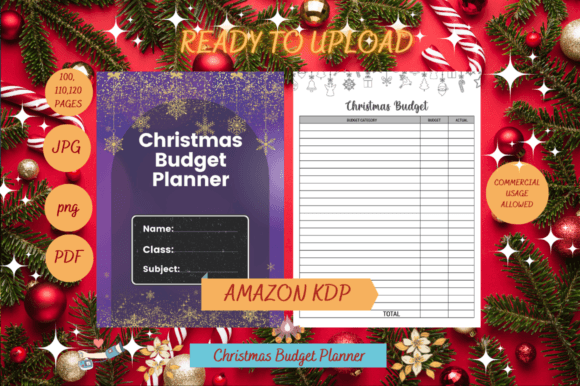
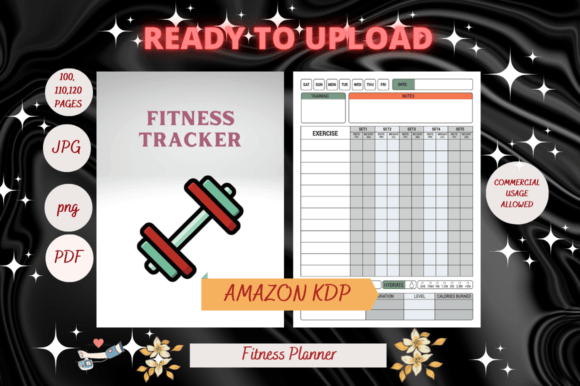
From a design perspective, these trackers are ready-made interior pages for those looking to build their own brand identity around productivity. If you are a blogger or a publisher on Amazon KDP, you know that the market for planners is competitive. However, having a tested, "Ready to Upload" file set saves hundreds of hours in layout design. You can take these 06 books and immediately begin the publishing process, knowing that the technical specifications—like the dimensions and bleed settings—have already been validated.
Moreover, for marketers and brand strategists, consistency is everything. Using a uniform tracking system across your organization helps in auditing expenses. When every team member uses the same layout, it streamlines the process of collecting data for tax season or quarterly reviews. The clean layout typical of a high-quality print-ready PDF ensures that the focus remains on the data, not on distracting graphics. It embodies a modern typography approach: functional, clean, and direct.
Integrating Design Assets into Your Workflow
One of the most overlooked aspects of financial management is the user experience (UX) of the tool itself. If a bill tracker is cluttered or difficult to read, you won't use it. This is why the visual characteristics of the Monthly Bill Tracker are designed for readability and visual hierarchy. The layout guides your eye from the date to the vendor, then to the amount, and finally to the status of the payment. This logical flow reduces cognitive load, making the chore of bill paying slightly less tedious.
For those in the creative space, these files act as versatile design assets. Imagine you are creating a "New Year, New You" bundle for your email subscribers. Including a polished, professional bill tracker adds immense value to your offering. It transforms a simple list into a premium product. Because the files are provided in multiple formats, they can be adapted for web design or social media graphics. You could create an infographic showing your audience how to organize their bills using a snippet of the tracker, driving engagement while providing real-world value.
Customization and Commercial Potential
For the DIY designer or the KDP publisher, the ability to customize is paramount. The availability of these books in 06 different variations (varying page counts) allows you to test the market. Perhaps your audience prefers a thicker book for a full year of tracking, or maybe they want a slimmer version for a specific quarter. This flexibility is a significant advantage in the publishing world.
When evaluating these assets for your own use or for resale, consider the font pairing and overall aesthetic. While the primary function is utility, the visual appeal contributes to the perceived value. A clean, sans-serif font for headers paired with a legible serif font for body text is often the gold standard for financial documents, as it balances professionalism with readability. However, the true value lies in the structure. The tested grid system ensures that whether you print this at home or upload it to a commercial printer, the alignment will hold.
Ultimately, a Monthly Bill Tracker is more than just paper; it is a commitment to better business practices. It provides a physical record that digital files can sometimes obscure. By utilizing these high-quality, print-ready resources, you are not only organizing your own finances but also equipping yourself with professional-grade tools to enhance your creative projects or publishing catalog. It is a practical solution for a complex problem, delivered in a format that respects the standards of modern design and printing.