Master Your Schedule: The Ultimate Weekly Planner for KDP
In the world of self-publishing and personal productivity, the market for physical planners remains robust. Whether you are an entrepreneur trying to organize your business week, a content creator managing a complex editorial calendar, or a hobbyist looking to track daily habits, a well-designed planner is an indispensable tool. However, for designers and publishers, the challenge often lies in finding high-quality, print-ready assets that meet the rigorous standards of platforms like Amazon KDP without requiring hours of troubleshooting. This is where a professional, tested solution becomes not just a convenience, but a necessity.
The Anatomy of a Professional Planner Interior
When we talk about a Weekly Planner, we are discussing more than just lines on a page. It is a carefully structured design asset that dictates how a user interacts with their time. The visual characteristics of a high-quality planner interior must balance functionality with aesthetic appeal. It requires a clean layout that guides the eye naturally from Monday to Sunday without causing visual fatigue. The "personality" of a good planner should be neutral enough to appeal to a wide audience—whether they are corporate professionals or students—yet distinct enough to feel premium. This involves careful attention to whitespace, grid alignment, and typographic hierarchy.
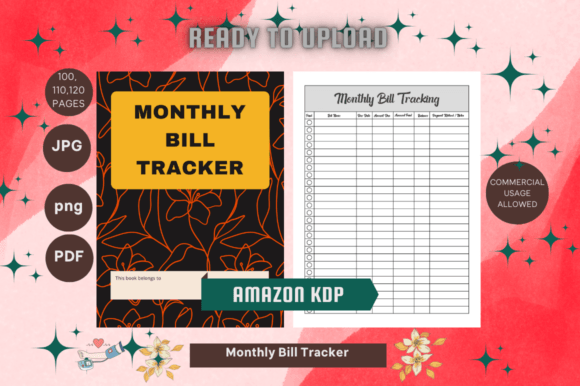
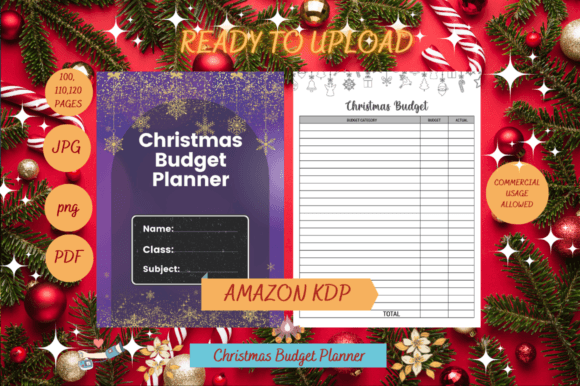
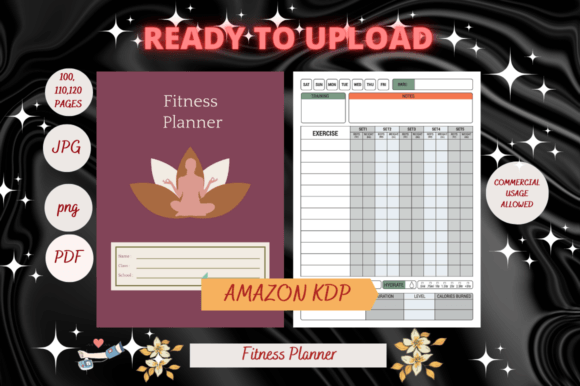
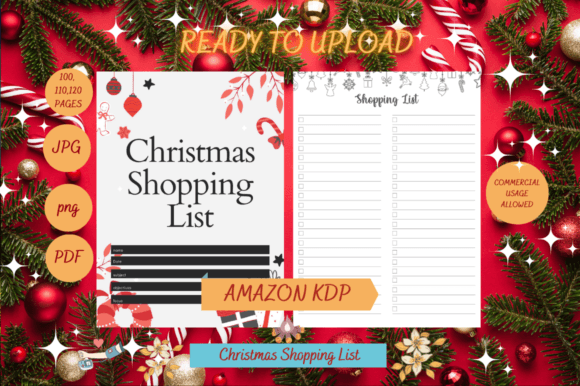
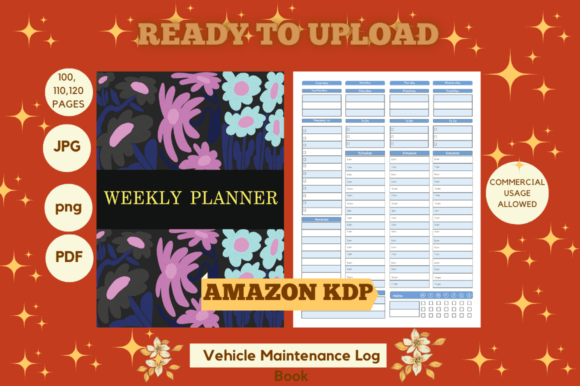
For those looking to expand their publishing portfolio or simply get their schedule in order, this specific Weekly Planner for KDP package is designed to eliminate the technical barriers of publishing. It includes three distinct books with page counts of 100, 110, and 120 pages. This variety is crucial because it allows you to offer different products to your audience or choose the thickness that best suits your personal needs. The files are delivered in multiple formats—PDF, PPT, PNG, & JPG—ensuring that you have maximum flexibility, whether you want to upload directly to KDP or edit the layout further in PowerPoint.
Why Technical Precision Matters for Amazon KDP
One of the most common pitfalls for new publishers on Amazon is the technical rejection of files due to incorrect bleed or margins. A "tested on KDP" product offers peace of mind that the heavy lifting has been done for you. These planners are formatted to the industry-standard 8.5″ x 11″ dimensions. This size is often referred to as "Letter Size" in the US and provides ample space for daily planning, note-taking, and goal setting, which is why it remains the most popular format for editorial design in the planning niche.
The feature of "No Bleed" is particularly significant. In printing, bleed refers to ink that extends beyond the edge of the paper. While bleed is essential for full-page images or colored backgrounds, a clean, no-bleed interior with white margins is often preferred for planners. It ensures that the user can write comfortably to the edge of the usable area without worrying about content being cut off during the trimming process. Furthermore, the High-Quality Print Ready PDF ensures that when the book arrives in a customer's hands, the lines are crisp, the text is sharp, and the paper density feels substantial. This attention to detail significantly impacts brand perception and customer reviews.
Strategic Uses: Beyond the Printed Page
While the primary use case is a physical book for Amazon KDP, the included file formats (PPT, PNG, JPG) open up a world of possibilities for digital design and marketing. If you are a content creator or marketer, you can repurpose the clean layouts of this planner for social media graphics. Imagine using the PNG templates to create "Plan with Me" content on Instagram or Pinterest. The structured grid provides an excellent foundation for visual storytelling, helping to establish a consistent brand identity across your digital channels.
For small business owners and entrepreneurs, the PowerPoint files (PPT) are invaluable. You can customize the interior to include specific business prompts, such as "Weekly Revenue Goals," "Client Follow-ups," or "Content Batching Schedule." By modifying the text while keeping the professional layout, you can create a niche planner tailored specifically to your industry—be it real estate, fitness coaching, or graphic design. This allows you to monetize your expertise by selling a specialized planning tool that solves specific problems for your target audience.
Design Observations and Practical Guidance
When evaluating this Weekly Planner for your projects, consider the flow of the week. A well-designed planner should facilitate a "brain dump" or a weekly overview section that allows users to prioritize tasks before diving into the daily details. The structure of these 100-120 page books suggests a focus on weekly spreads, which is the sweet spot for productivity. It avoids the overwhelm of hourly schedules while providing more structure than a simple monthly calendar.
From a publishing standpoint, using pre-tested interiors is a strategy employed by successful publishers to scale their businesses. Instead of spending hours in InDesign or Illustrator drawing lines and testing margins, you can focus your energy on the cover design and marketing—two areas that drive the majority of sales. The consistency of the 8.5x11 format also allows for easy bundling. You could potentially combine these planners with other interiors or graphics mentioned in the shop to create a comprehensive productivity suite.
Finally, remember that a planner is a tool for transformation. Whether you are selling it to strangers on the internet or using it yourself to organize a product launch, the value lies in its usability. The clean, uncluttered aesthetic of this planner ensures that it serves its primary function: helping people make sense of their time. As you look to acquire more design assets and freebies, keep an eye on how these technical elements—like file formats and page counts—interact with your specific workflow. A premium font or a beautiful cover might catch the eye, but it is the reliable, tested interior that keeps a customer coming back for the next year's edition.